
Explainers
Evergreen explainers on AI models, labs, chips, data centers, benchmarks, robotics and events.

Largest AI data centers in the world, ranked by announced capacity
The largest AI data centers by announced capacity, from OpenAI's 8 GW-IT PORTS-Pike to Meta's 5 GW Richland Parish.
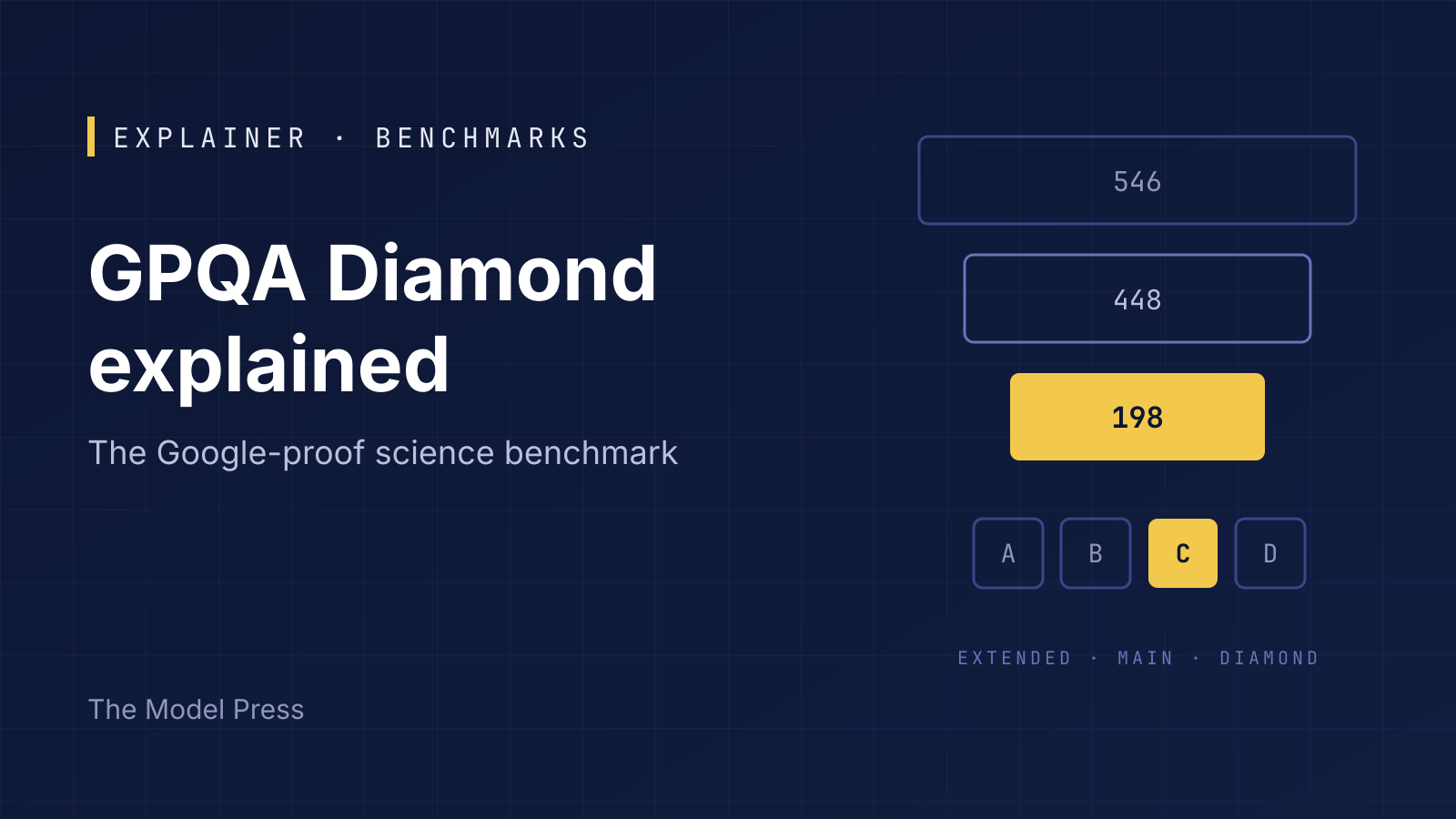
GPQA Diamond explained: the Google-proof science benchmark
How GPQA's 198 Diamond questions were chosen, what a GPQA score means and the limits its authors list.
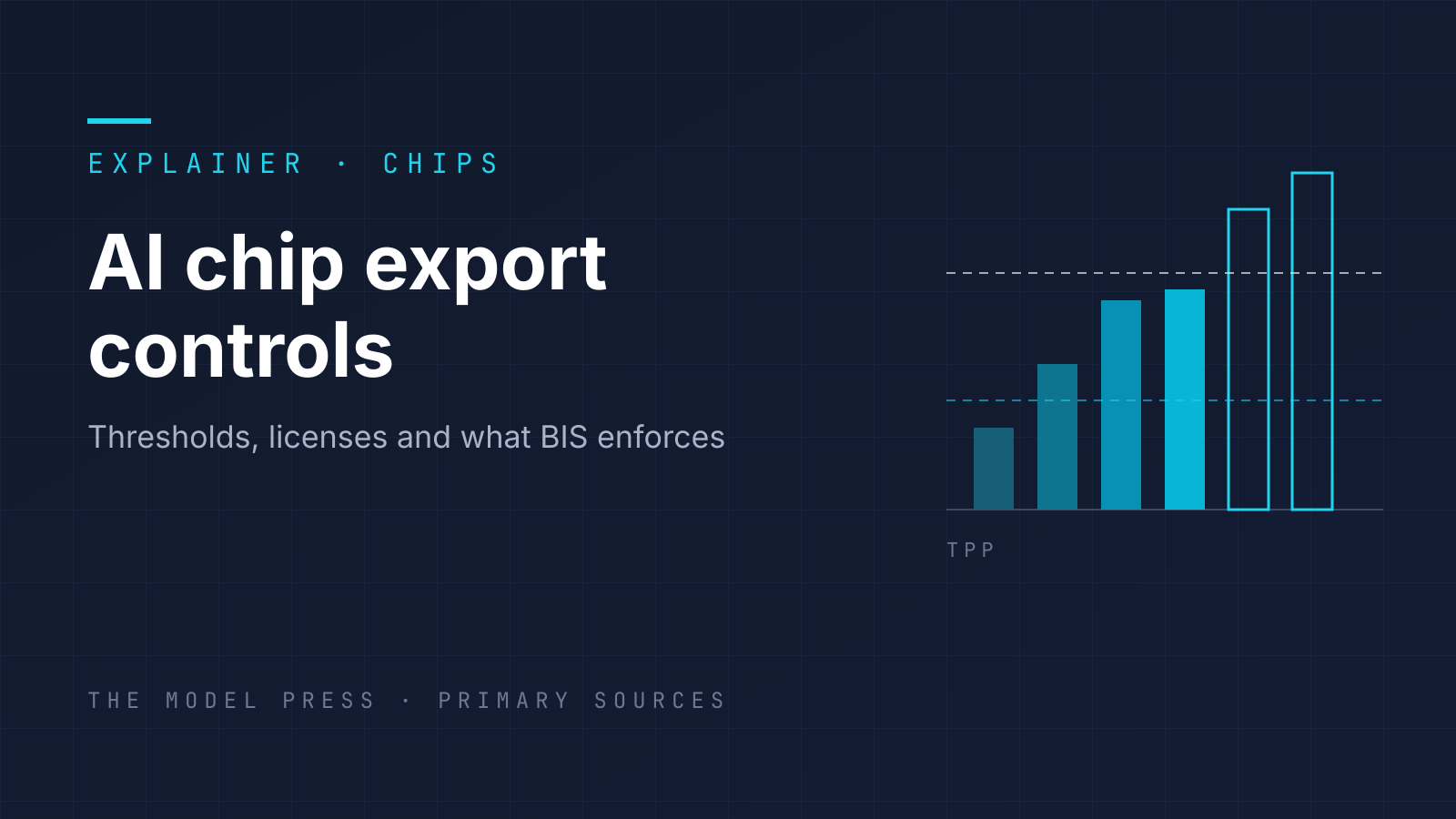
AI chip export controls: what the US rules restrict
US AI chip export rules as of November 5, 2026: TPP limits worked through, the China and UAE rules, the affiliates rule.
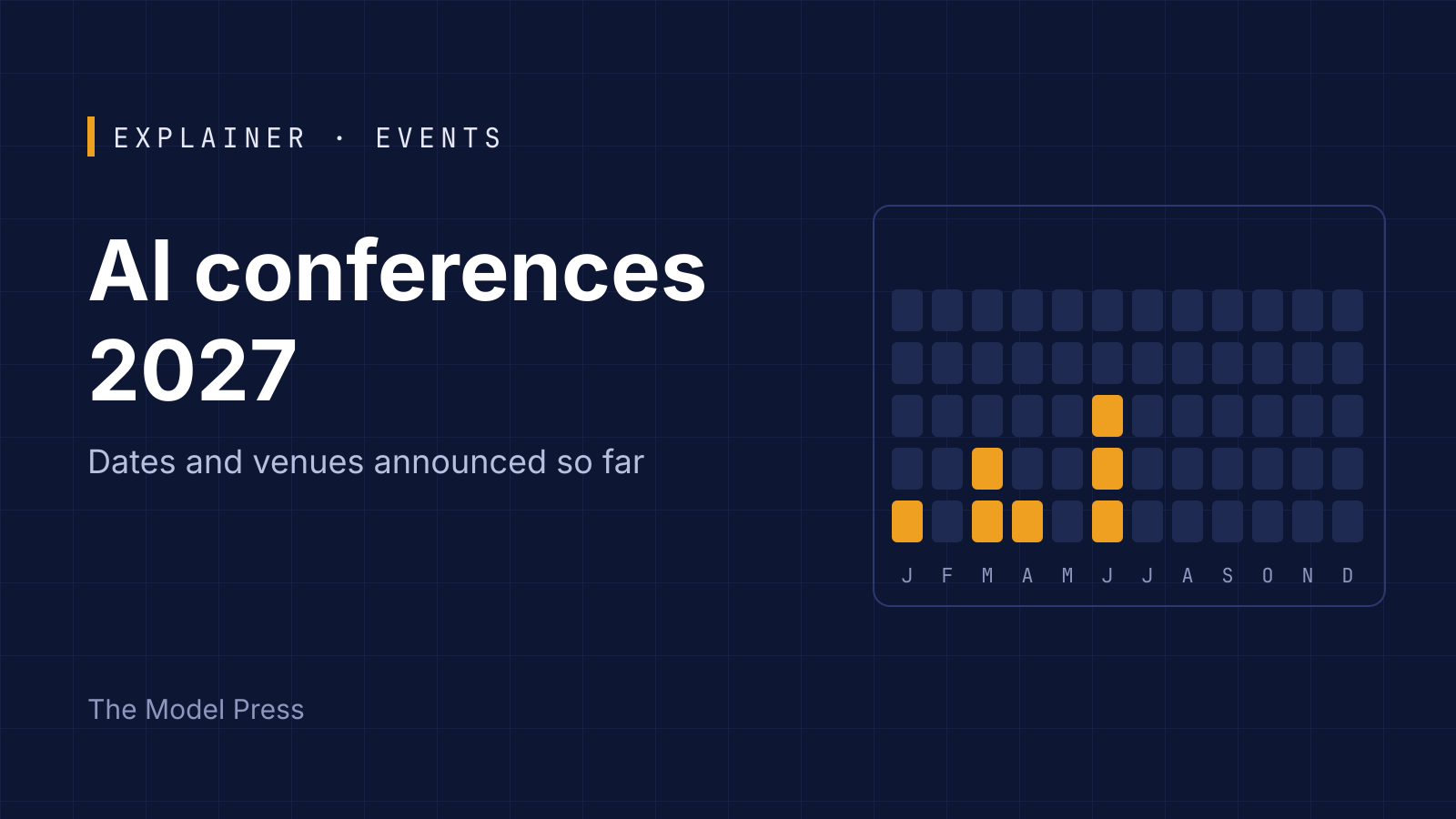
AI conferences 2027: dates and venues announced so far
The 2027 AI and chip conferences with published dates, from CES in January to CVPR in June.
AI model cards and system cards: what labs disclose
What AI model cards and system cards from Google DeepMind, Anthropic and OpenAI contain, and how to read them.
Nvidia's data-center GPU roadmap, Hopper to Rubin
Nvidia went from Hopper through Blackwell and Blackwell Ultra to Vera Rubin in four years; here is each generation.
Groq AI and its LPU: what the inference chip does
Groq built the LPU, an inference chip that keeps model weights in on-chip SRAM, and runs it as the GroqCloud service.
Nuclear power for AI data centers: the deals so far
The nuclear power deals for data centers announced by Microsoft, Meta, Amazon, Google and Crusoe, with MW and dates.
Cerebras Systems: the wafer-scale chip and its business
Cerebras Systems builds AI processors from a whole silicon wafer and sells both systems and inference cloud access.
AWS Trainium: what it is and which models train on it
AWS Trainium is Amazon's own AI chip, rented through EC2 Trn2 and Trn3 instances and UltraServers.

CoreWeave and the neoclouds: who rents AI GPUs
CoreWeave, Nebius, Lambda and Crusoe rent Nvidia GPUs at cluster scale; here is what each sells and reports.
Google TPU: generations and who can use them
Google's TPUs run Gemini and are rented through Google Cloud, from v5e to Ironwood and the announced TPU 8t and 8i.
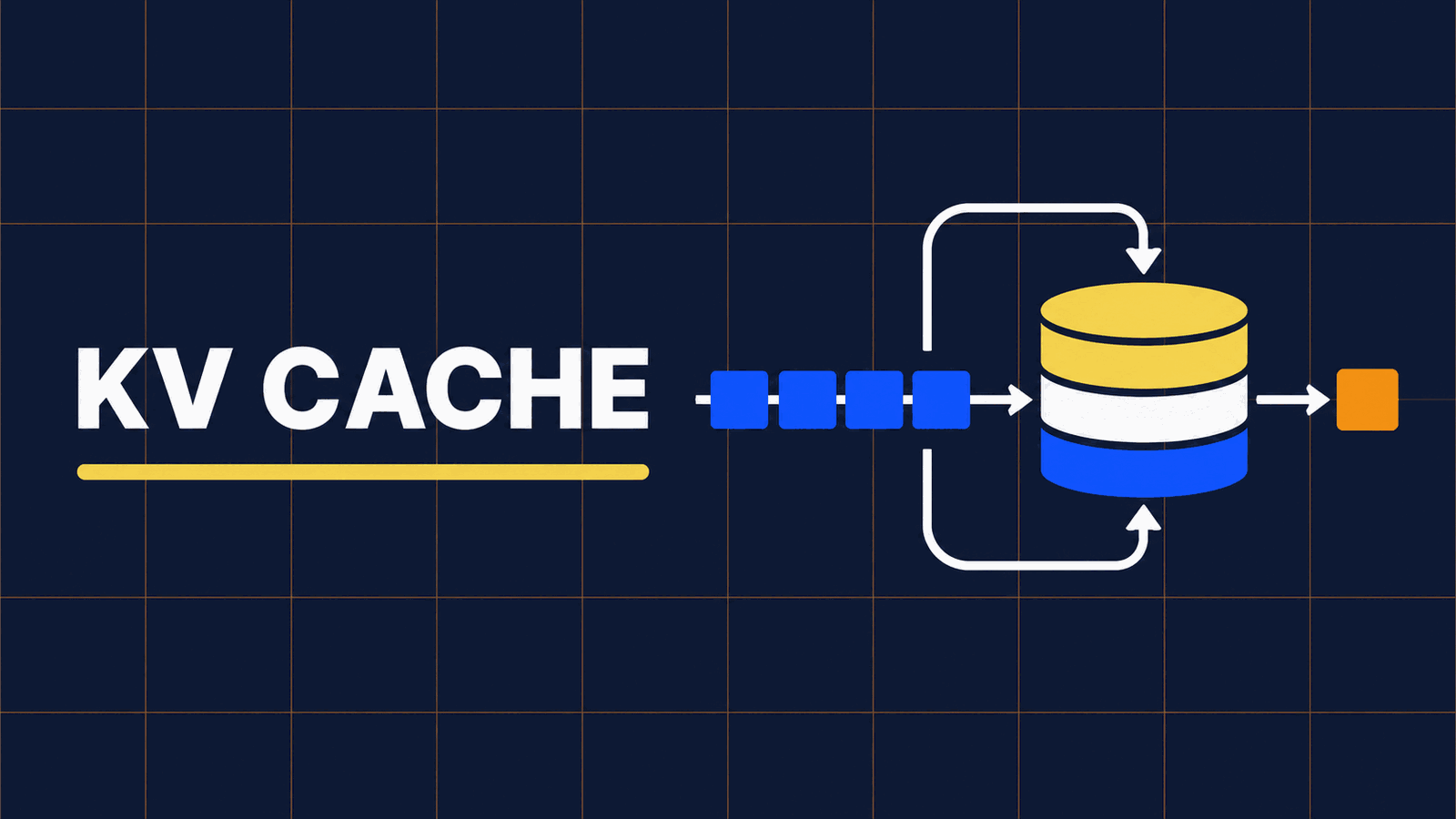
KV cache explained: how it speeds up AI inference
A KV cache reuses attention keys and values during generation, saving compute while using more accelerator memory.

Humanoid robots for sale: what you can buy and the price
Which humanoid robots are for sale, at what price, and which ones are still sold only to businesses or not at all.
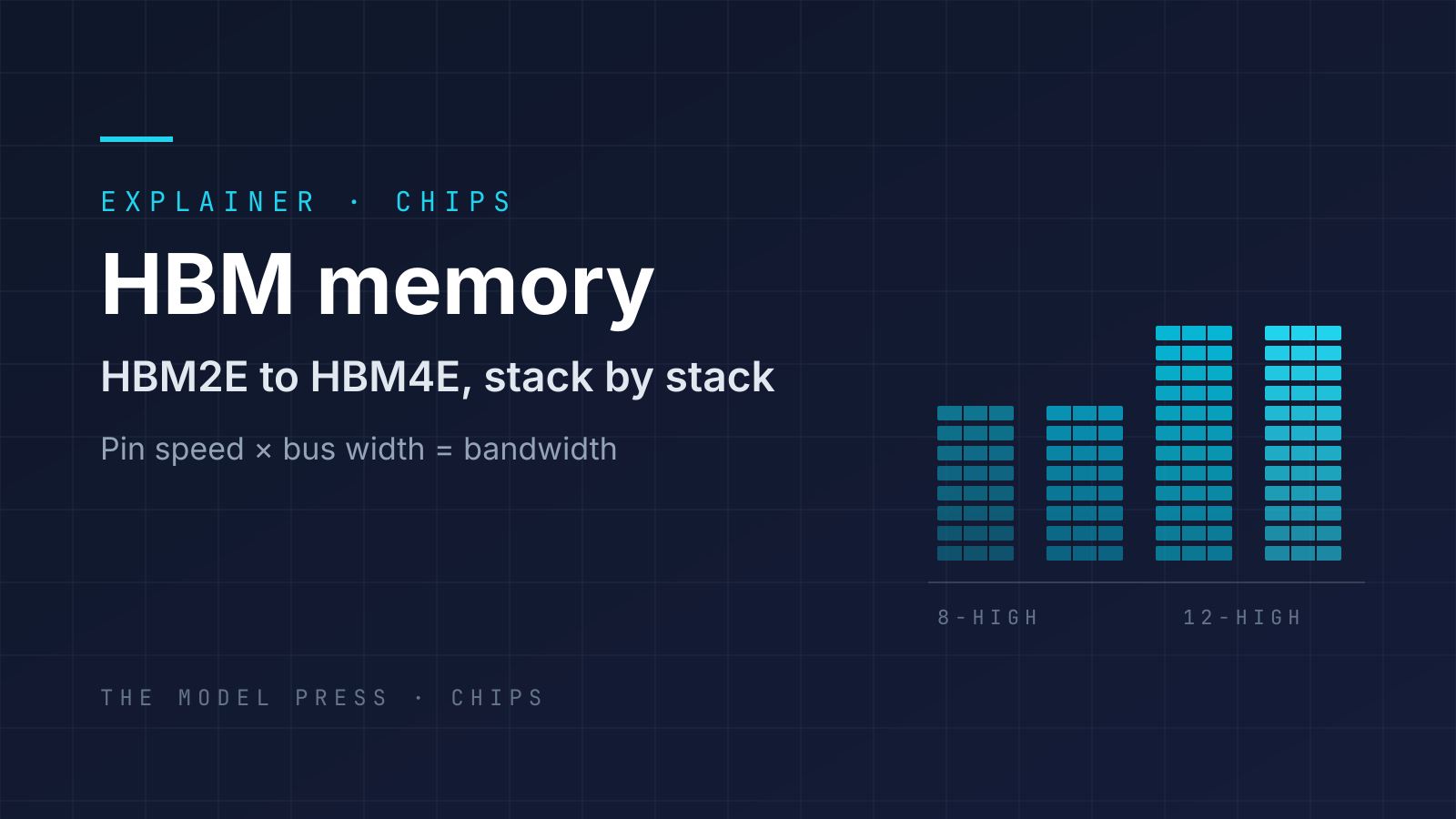
HBM memory explained: HBM2E, HBM3, HBM3E and HBM4 compared
HBM2E, HBM3, HBM3E, HBM4 and HBM4E compared by width, pin speed, bandwidth and capacity per stack.
Do AI data centers use water? How much, and why
AI data center water use: what cooling consumes, what power plants consume, and what operators say they changed.
Stargate AI: the OpenAI data-center project explained
Stargate is OpenAI's AI infrastructure program with Oracle, SoftBank and others, launched in January 2025.
AMD Instinct MI355X: specs and how it compares
The AMD Instinct MI355X is AMD's CDNA 4 accelerator with 288 GB of HBM3E at 8 TB/s and 1,400 W board power.
Humanoid vs industrial robots: shape, workplace and safety
Humanoid describes a body plan; industrial describes a use context. The categories can overlap.
HumanEval benchmark explained: problems, pass@k and limits
HumanEval tests generated Python functions against hidden tests. Its score is narrower than real coding work.
How much power do AI data centers use? Power consumption explained
AI data center power use: about 120 kW per GB200 NVL72 rack, 1 MW racks from 2027, GW campuses and national totals.
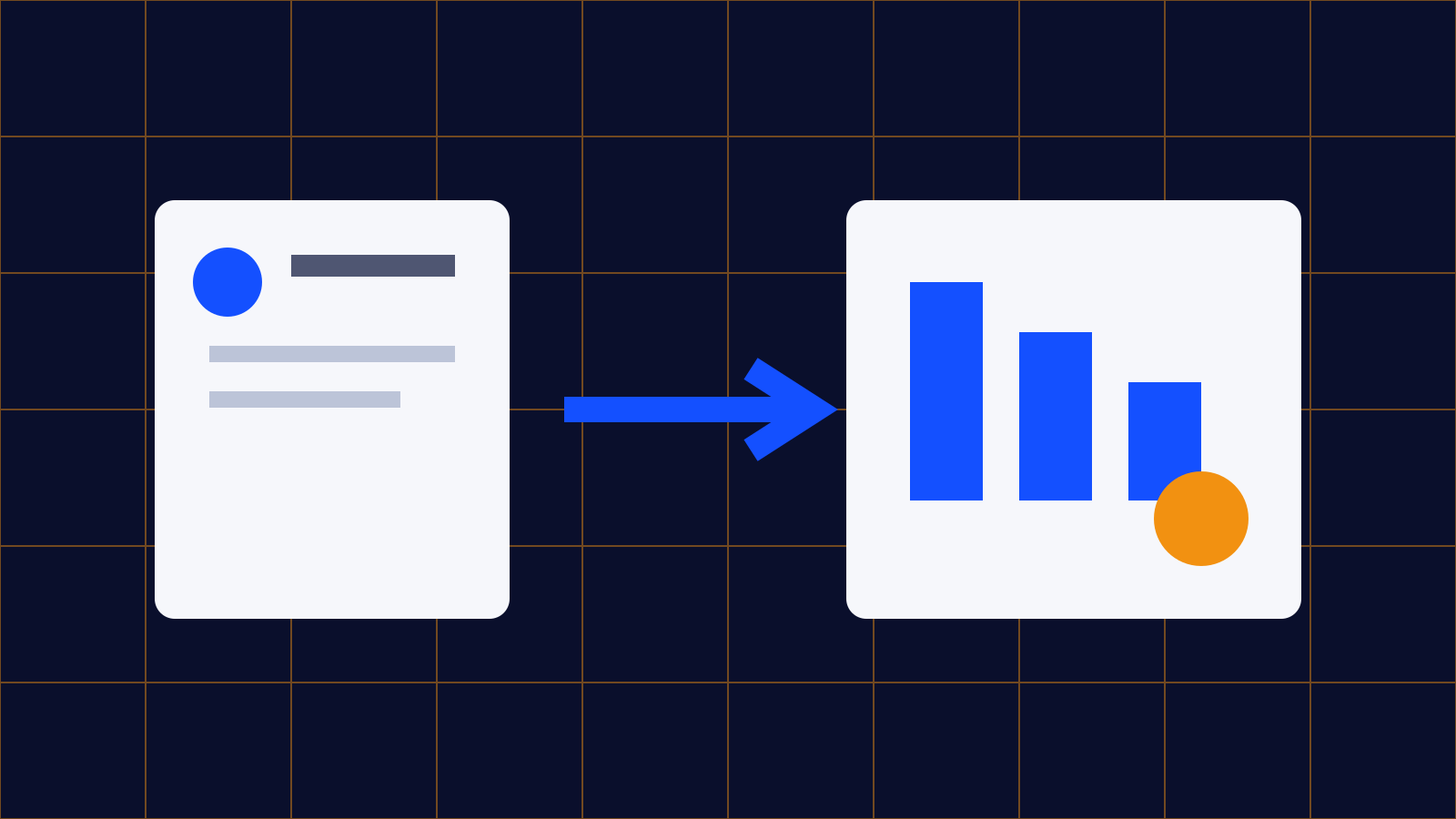
SWE-bench Explained: Issues, Patches and Test Results
How SWE-bench turns GitHub issues into tested patches, and why benchmark versions affect score comparisons.
GB200 NVL72 explained: one rack, 72 GPUs
The GB200 NVL72 is Nvidia's liquid-cooled rack joining 72 Blackwell GPUs and 36 Grace CPUs in one NVLink domain.
Nvidia Rubin: what Nvidia has announced about Vera Rubin so far
Nvidia Rubin is the GPU generation after Blackwell, with the Vera CPU and the Vera Rubin NVL72 rack.